Plastic Crates for the Fruits and Vegetable Industry
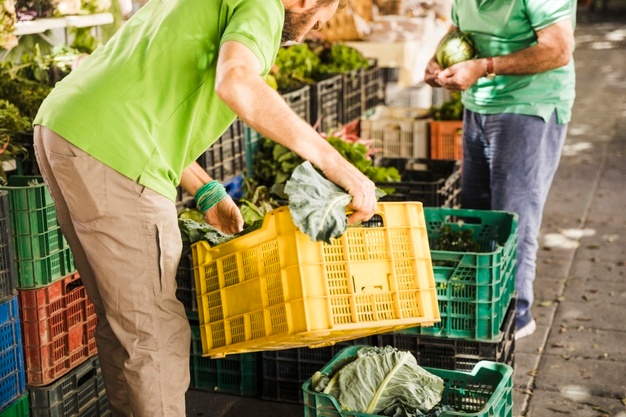
Plastic Crate The fruits and vegetable industry is extending its use in plastic crates. Millions of metric tons of fresh fruit and vegetables travel the roads of world every day. Using plastic crate is the one of the efficient methods of transporting them through all links of the distribution chain. Plastic crates typically travel through three segments of the fruits and vegetable industry. The field, the packaging through the distribution centres to the retail store..
Wooden creates and cardboard have still popularity amongst personal in the fruits and vegetable industry. But the need to have a high competitive edge makes farmer look for better alternatives for wood and cardboard. Plastic crates are much easier to handle than wooden crates. Plastic crates supports careful handling because of smooth surface not like the nails and splinters in wooden crates.
With some fruits and vegetable, there is a need for water resistant crate to allow it to keep fresh for longer time. Wooden crates are open and risk drying of the product and Waxing cardboard boxes prevents them from being recycled.
Circulation is necessary in the fruits and vegetable industry. In a vented plastic crates the product can live longer, thus enhances fresh delivery to the market.
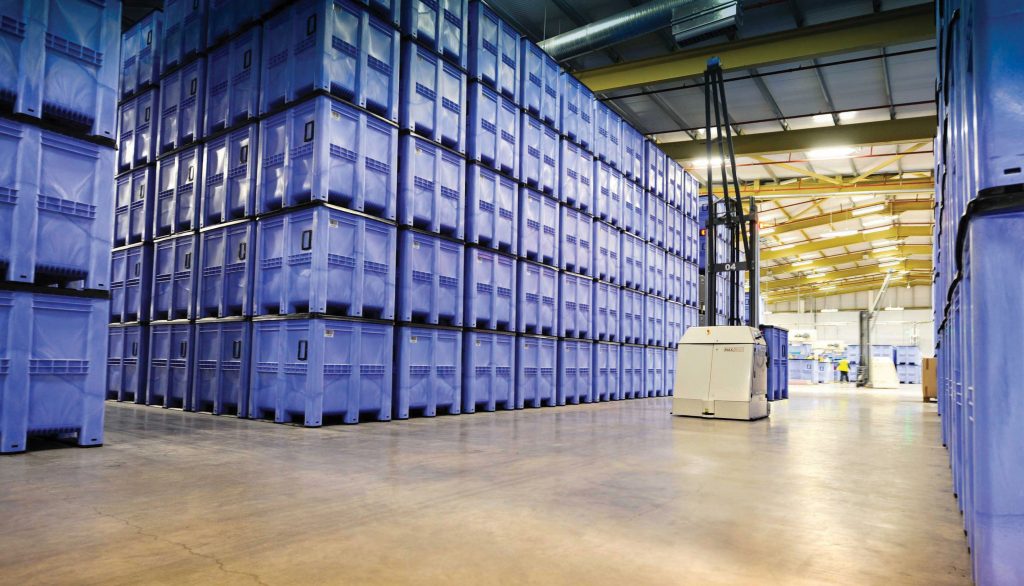
Plastic crates are produced by extrusion or injected-moulding methods. The plastic crates are identical to each other and their uniformity is cost effective in stacking on a valuable floor space in a factory, in storage space or a in transportation vehicle space. Plastic crates can be easily stacked to achieve significant saving of valuable space and shipping costs.
In the fruits and vegetable industry, sometimes the pick is loaded into the crates, it stays there. The appearance of the plastic crates are also very attractive and encourages purchases right out of the crate and are cost effective in saving distributing the good into shelves.
The innovative use of folding plastic crate helps Stores compactly when not in use and easily pops open when needed. The folding plastic crate is durable, lightweight, solid and can allows air circulation if needed. The folding plastic crate has easy grip handles and is easily manoeuvred by hand.
The plastic crates are easy to clean with high pressure or washed with water while the wooden crates are subject to bacteria and fungus in present of water. They are also damaged by moist and change their strength and shape in presence of water. This makes the plastic crates more suitable to fruits and vegetable industry.
Plastic crates are strong enough to handle heavy load of fruits and vegetable unlike cardboard that is limited in its capacity to carry heavy weight.
Plastic crates provide better compatibility with automated machinery, than wooden crates or cardboard that cannot withstand the moist and the different temperature.
Plastic crates can also be stored in open areas. Sun and rain do not damage them as it would to wooden crate or cardboard.
Plastic crates can be easily cleaned and returned to the distribution network. Wooden crates contaminated with bacteria and fungus needs to be disposed. This makes them less cost effective than plastic crates.
Increasing safety and sanitary requirements for the fruits and vegetable industry handling food further encourage use of plastic crates over wooden crates. The switch to using plastic crates lowers insurance cost for personal with arm and back injuries.
Plastic crates have high UV resistant, not like wooden crates that are sensitive to changes in temperature.
Many fruits and vegetable companies prefer the use of plastic crates because of their ability to stand freezing conditions while the wooden crates were damaged when freeze. This allows the pick to be shipped in the plastic crates direct into freezers without the need to reload them on a separate container suitable for freezing.
The use of the plastic crates by hand requires steady, durable handles without nails or splinters. This makes the plastic crates better than the cardboard that is lack the durability and better than the wooden crates, that create a safety hazard to personal handling the crate or to product damaged by the nails.
Reuse of plastic crates is cost effective in purchasing costs. It eliminates endless purchases of cardboards that have a very short life span, and the need to buy wooden crates that have a higher life span but still 15 times less than the plastic crate. The empty plastic crates are nested within each other, which means they occupy less space and reduce shipping weight, providing savings in return distribution. The choice of reusable plastic crates or disposable cardboard boxes to transport perishable goods is often determined by the purchase price of the containers. But this is deceptive: When related overheads such as packing, shipping and storage are included, the actual cost can be up to four times as high.
Returnable Plastic Crates offer: real packaging material cost savings, more efficient unit loads, better use of precious warehouse space, increase profit and improve customer satisfaction all along the supply chain.
Reuse of plastic crates, contributes to prevention of global warming by reducing the use of trees for wooden boxes or the making of cardboard boxes.
Recyclable plastic crate can eliminate disposal cost that are constantly growing, especially in countries with limited resources. The use of plastic crates, increases wood resource in any country for the effective use of the wood.
Plastic Turnover
Related Article